
Wheelers Then & Now — Oral History
Ronald “Baboo” Hitchens: Beside Harold Blissett
At 90 years old, Ronald “Baboo” Hitchens carries memories of Jamaican cycling that reach back more than six decades.
He remembers the racers who came before the shop. He remembers the different strengths of two cycling brothers. He remembers working hand-in-hand with Harold Blissett as bicycles were being made. He remembers the young riders of the Blissett Wheelers.
And he remembers chasing what he thought was a handcart down a busy Kingston street—only to discover Uncle Fred riding a bicycle with an enormous chicken coop strapped to him.
Ronald remembers because he wasn't studying this history.
He lived it.
By Pat Blissett
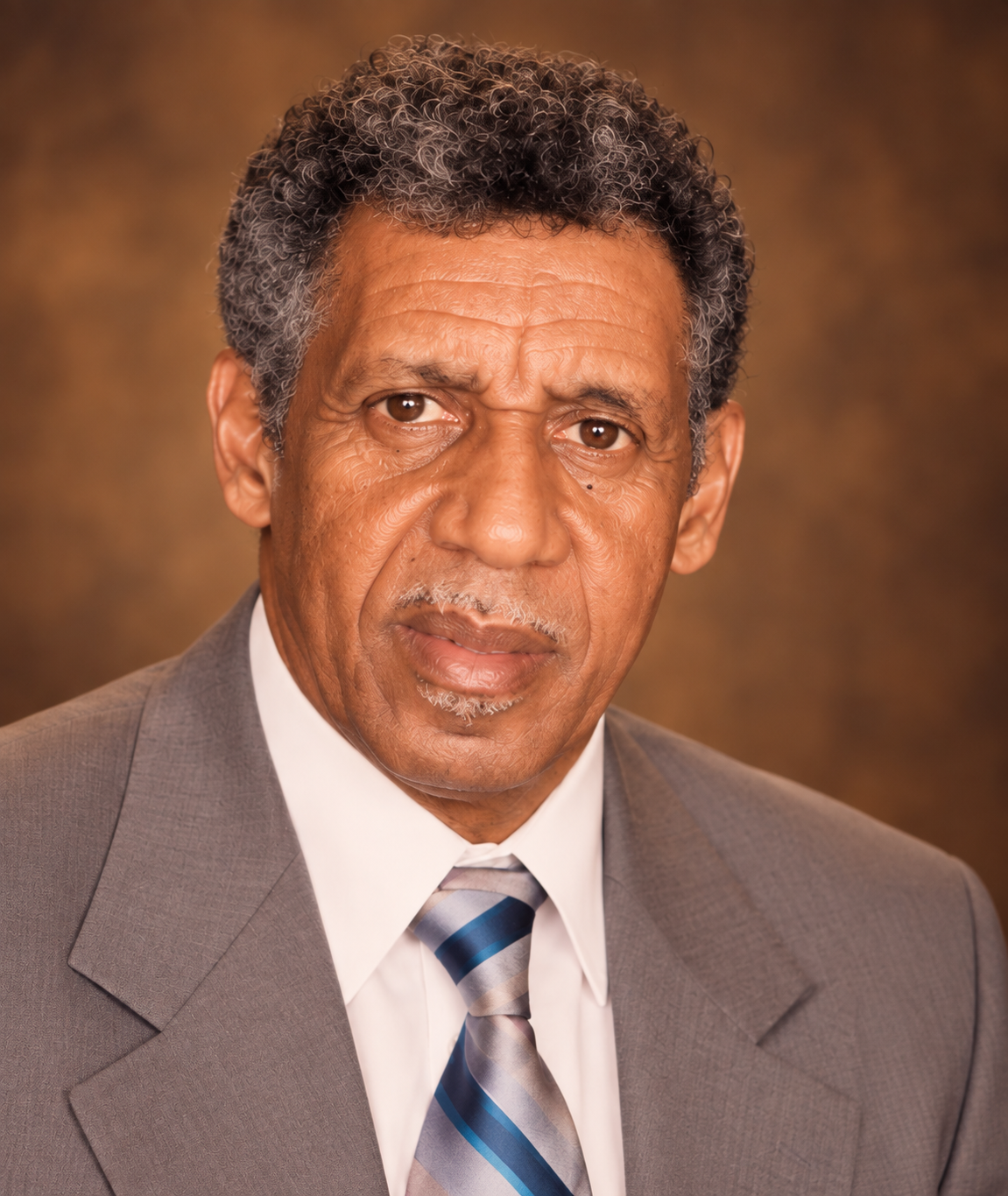
Harold and Sydney: Brothers, Competitors and Teammates
Before Ronald worked alongside my father, Harold Blissett, he knew the cycling world from which Harold came.
That story included Harold's brother, Sydney Blissett.
Harold and Sydney were brothers, competitors and teammates, but they weren't the same kind of rider.
Sydney had the sprinting ability.
Harold had the endurance.
Ronald remembered my father as the rider who could “go off on the bell.”
That distinction between the brothers stayed with Ronald all these years: Sydney's sprinting strength and Harold's ability to endure.
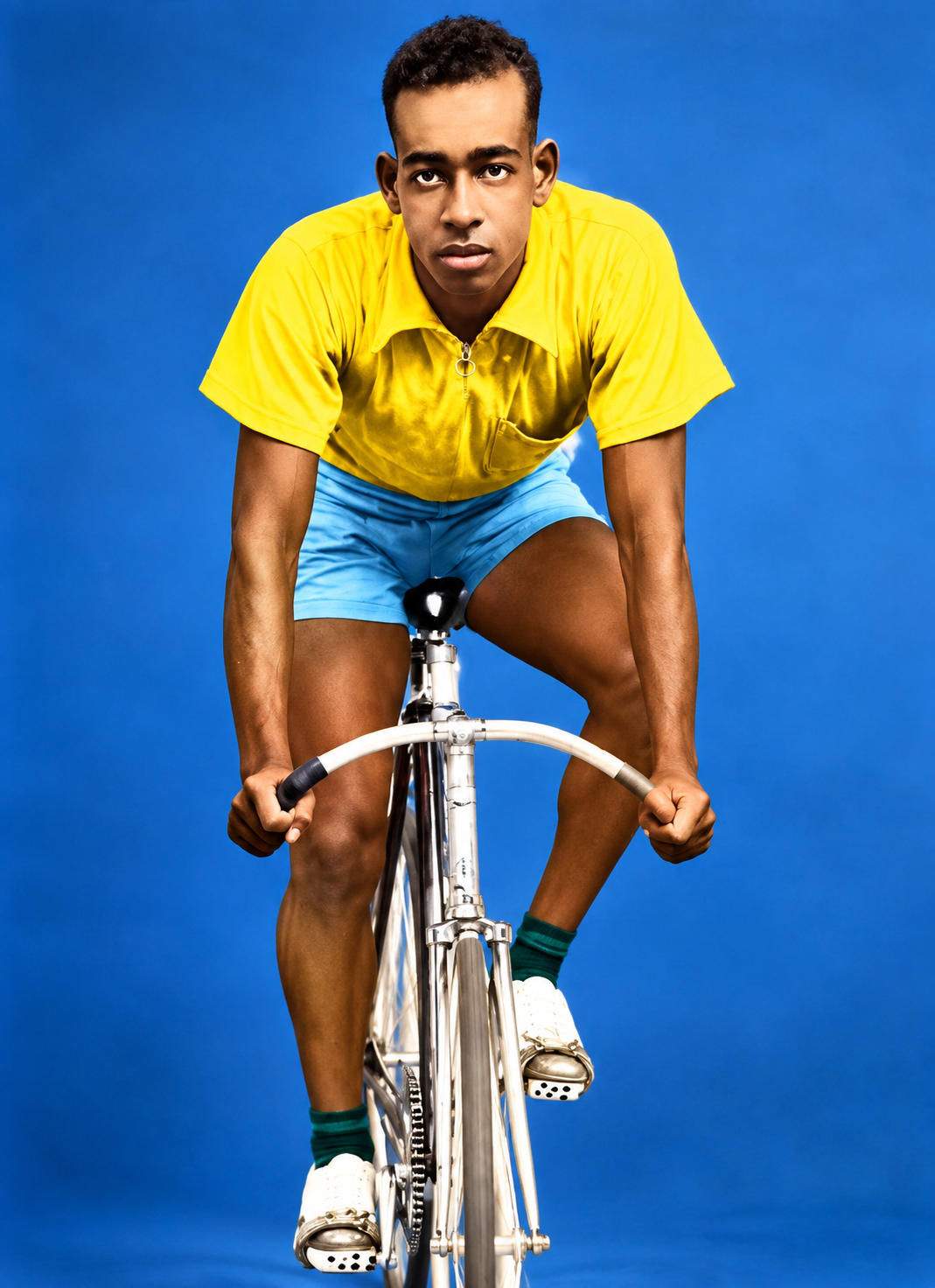
Before Them Came Uncle Fred
But the cycling story didn't begin with Harold and Sydney.
Before either brother entered the sport, there was their uncle, Frederick Anderson—Uncle Fred.
Uncle Fred went into cycling first. Sydney followed him into the sport, and Harold followed Sydney. It was Uncle Fred who taught Harold to ride a bicycle.
Fred remained connected to the cycling world that developed around the family. He knew all about the Blissett Wheelers, and one of his own sons, Keith Anderson, rode with the Wheelers.
Ronald remembered Uncle Fred as an extraordinarily strong man.
And strength mattered.
These were not today's lightweight bicycles. To be successful required speed and skill, certainly, but also tremendous physical strength and endurance.
Ronald never forgot one particular demonstration of Fred's strength.
Ronald was out riding his own bicycle on a busy street in Kingston when he spotted what appeared from a distance to be a handcart carrying an enormous chicken coop.
Curious, he rode after it.
As he got closer, he realized there was no handcart at all.
It was Uncle Fred, riding his bicycle down that busy Kingston street with the enormous chicken coop strapped to him.
Ronald could still remember the sight decades later.
It makes for a wonderful story, but it also tells us something about the cyclists of that generation. Fred wasn't simply balancing a load on a bicycle. He was strong enough to ride through a busy Kingston street with that huge coop strapped to his body.
You had to be strong to do this.
Uncle Fred lived into his mid-90s and died in the 1990s. He lived long enough to know about the Blissett Wheelers and to see another generation of his own family participate in that cycling tradition through his son Keith.
From Uncle Fred to Sydney and Harold, and then to Keith and the young Wheelers, cycling had traveled through generations.
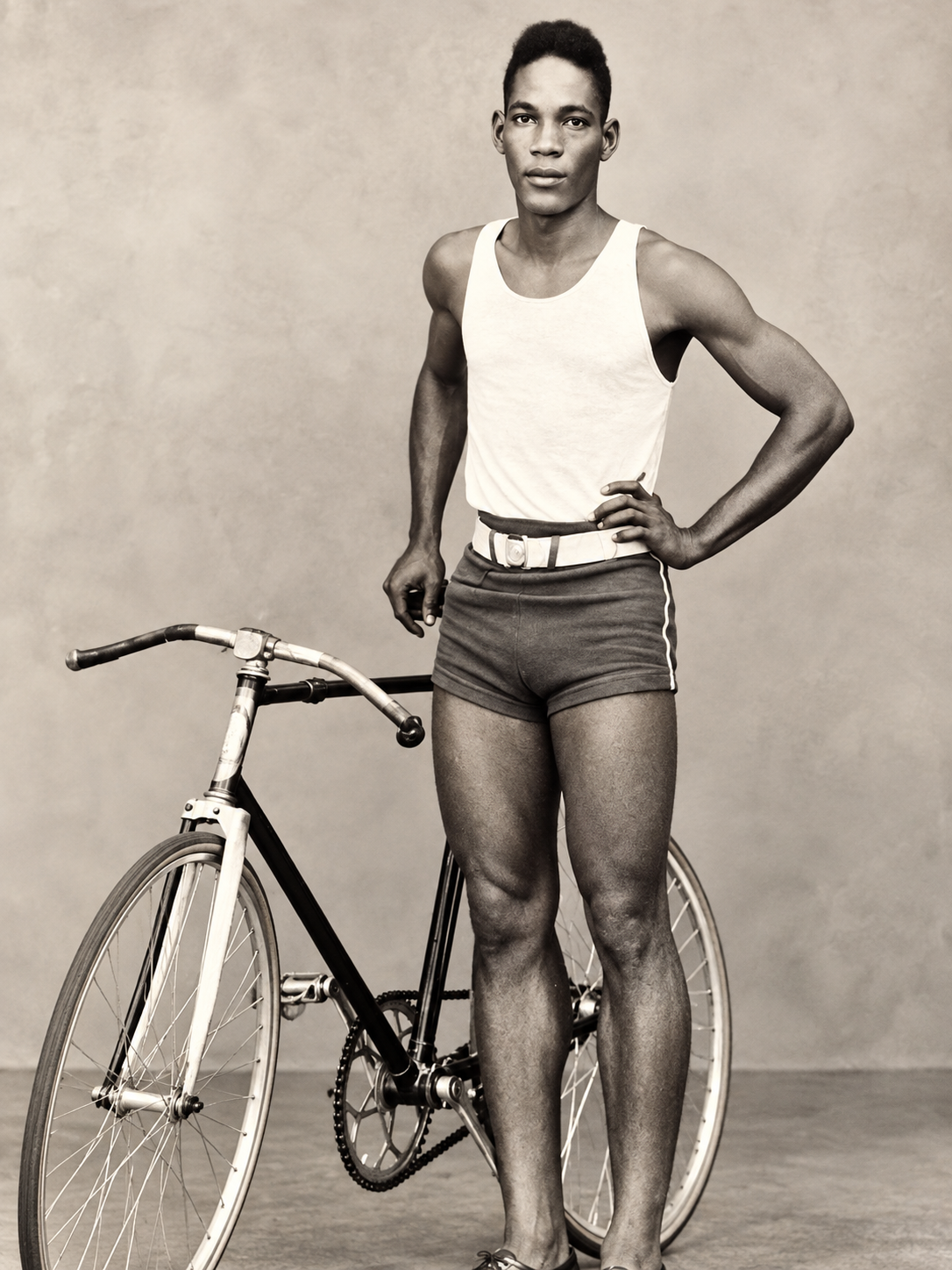
Working Beside Harold
Ronald eventually became part of another chapter in my father's cycling life.
Harold Blissett was a cyclist and bicycle manufacturer, and the driving force behind Blissett Bros. Cycle Works Ltd.
Ronald worked beside him.
He became an important engineering collaborator and hands-on fabricator, involved in the practical work of making the bicycles. He worked with frames, welding, painting and finishing, and helped solve the practical problems that came with making bicycles.
Harold was the manufacturer and driving force.
But Ronald wasn't simply an employee waiting for instructions.
They worked hand-in-hand.
There were things to figure out, problems to solve and bicycles to make.
Ronald was there.
More Than a Workplace
The shop wasn't just Harold and Ronald.
Ronald's father also had a role there.
And so did Velma, the young woman who would become Ronald's wife. Velma prepared hot meals for the shop staff.
I remember Ronald and Velma being around all the time. Looking back, they were almost like family.
And one of my own childhood memories captures that relationship better than any job title could.
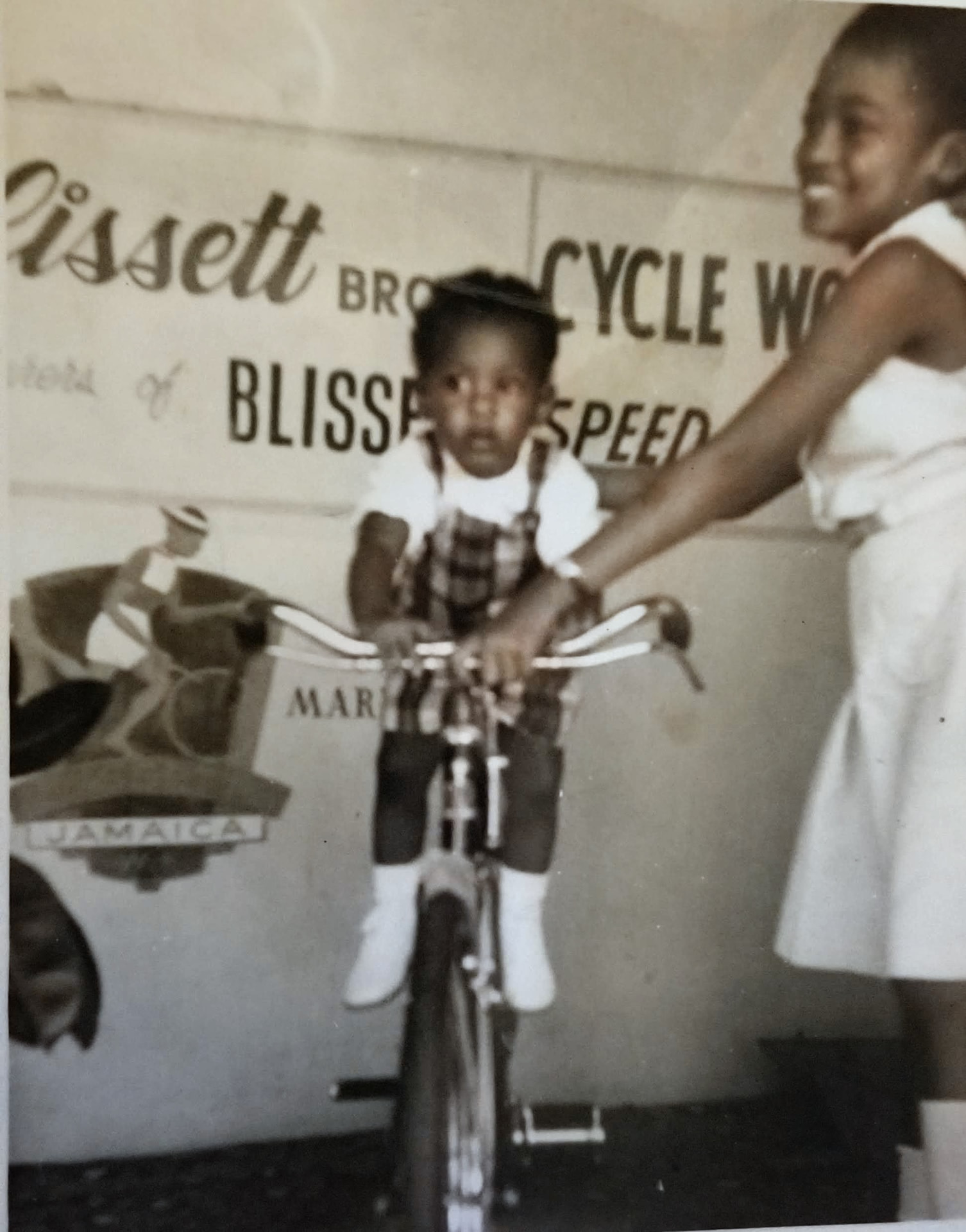
My daddy put me on training wheels.
Baboo took them off.
Before I understood anything about bicycle manufacturing, engineering or Jamaican cycling history, Ronald was simply one of the people who belonged in the world around my father.
The Blissett Wheelers
Ronald's involvement didn't stop with making bicycles.
There were also the Blissett Wheelers.
Young cyclists trained, rode and competed, and Ronald became an important part of their road training. Sometimes he rode with the younger Wheelers himself.
Harold also supported the riders on the road, at times following them in a vehicle as they trained.
This is one of the places where Ronald's memories intersect with those of Trevor Silvera.
Trevor remembers being one of those young Wheelers.
Ronald remembers helping train them.
They are remembering the same cycling world from two different positions—one as a young rider coming into it and the other as a man helping make it work.
That is one of the reasons these oral histories matter.
No single person's memory contains the whole story. Put the memories together, and the world begins to come back into view.
The Shop, the Riders and the Families
Looking backward, it is easy to divide history into neat categories.
There was racing. There was Blissett Bros. Cycle Works. There were the Wheelers. And there were the families.
But for the people who lived it, those worlds overlapped.
The man working beside Harold on bicycles could also ride with the young Wheelers.
The woman preparing hot meals for the shop staff would become Ronald's wife.
Uncle Fred could teach Harold to ride and, years later, know the Wheelers that grew out of the cycling world his nephew helped create. Fred's own son Keith would ride with them.
Harold could be a former racer, bicycle manufacturer, supporter of young cyclists—and my daddy—all at the same time.
And Baboo could work beside him and still be the man who took the training wheels off his little girl's bicycle.
That is the part of history that records often miss.
The people knew one another. Their lives crossed.
Ronald and Velma
Eventually, Ronald and Velma Hitchens left Jamaica together for the United States.
By then, both had become part of the world I remember around my father's shop.
They built another life in the United States, but Jamaica and those years around the bicycles didn't disappear from Ronald's memory.
Looking back, Ronald believed that if he had remained in Jamaica, he would have continued around Harold, the shop and the bicycles.
That says something about what those years meant to him.
It was more than a place where he worked.
It was part of his life.
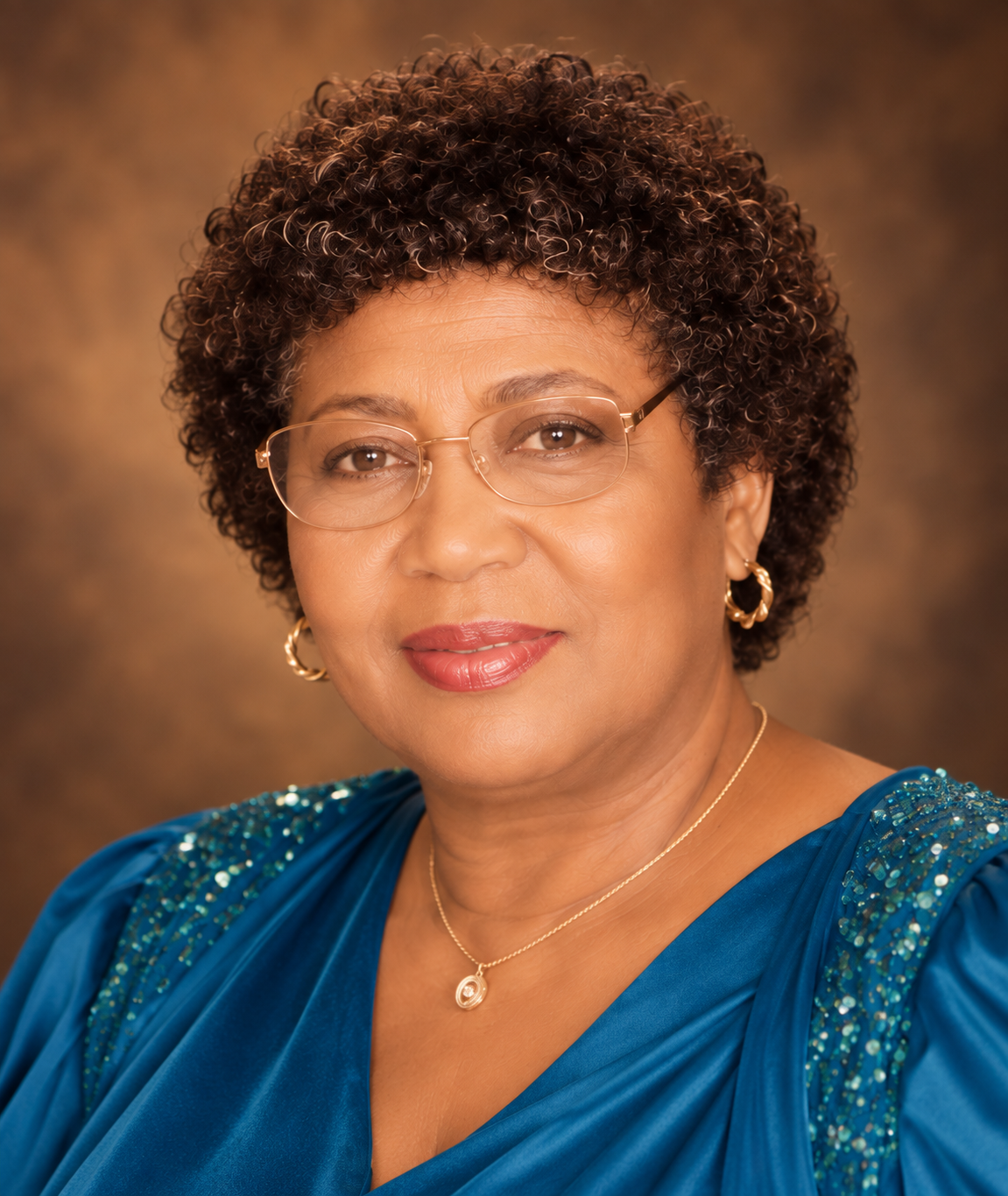
“Train. And Keep Going.”
Ronald is now 90.
He has lived long enough to watch bicycles change dramatically and young cyclists become old men. Yet when he reaches back into his memory, the people and their different strengths are still there.
Uncle Fred's extraordinary physical strength.
Sydney's sprinting ability.
Harold's endurance.
The young Wheelers training on the road.
And Ronald himself, riding alongside part of that history.
Asked what he would tell a young Jamaican cyclist today, his advice was simple:
“Train. And keep going.”
Coming from Ronald, those few words carry the weight of experience.
The Man I Knew as Baboo
When I began trying to preserve this history, I knew there would be names, bicycles and races to recover.
What I have come to appreciate is how much of the real history survives in the smaller memories.
Ronald remembering the difference between Sydney's sprinting and Daddy's endurance.
Ronald remembering Harold going off on the bell.
Ronald riding down a busy Kingston street after what looked like a handcart and discovering Uncle Fred pedaling a bicycle with an enormous chicken coop strapped to him.
Ronald remembering the young Wheelers.
Velma preparing hot meals for the shop staff.
And me remembering the man I called Baboo taking off my training wheels.
Those details aren't small at all.
They put the people back into the history.
Ronald “Baboo” Hitchens wasn't simply around while Harold Blissett was making bicycles and helping develop young cyclists.
He was part of that world.
And at 90 years old, Ronald can still help us see it.
For me, there will always be one especially simple way to remember his place in our story.
Daddy put me on training wheels.
Baboo took them off.
And I rode free!
Comments & Memories
Have a memory of Ronald, Velma, the Blissett shop, the Wheelers or Jamaican cycling? Share it with us.
No memories shared yet. Be the first.